

Marathon Wagyu sire performance and progeny data
14 sires
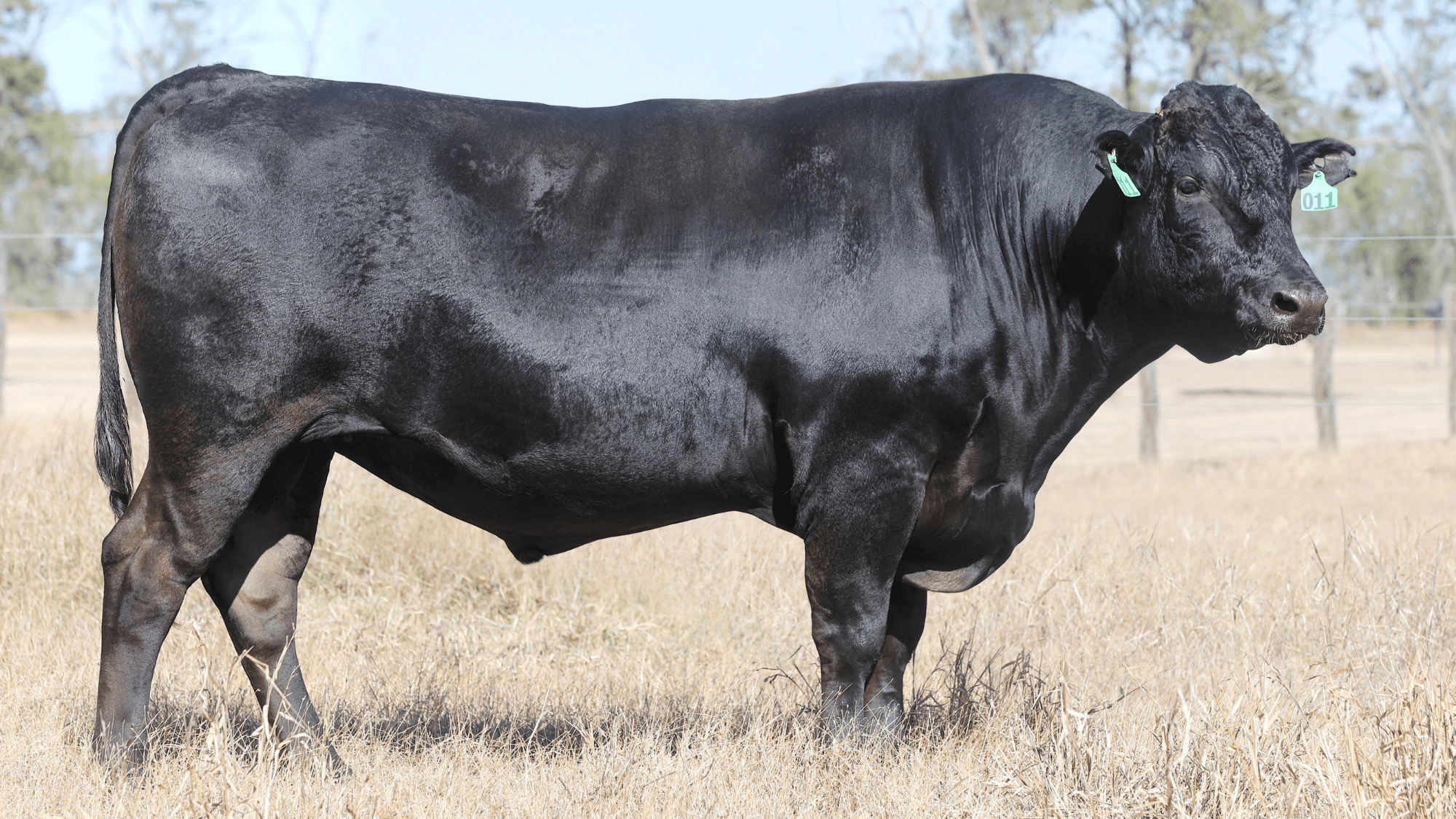
MARATHON MICHIFUKU P0011 (ET)
MSMFP0011(FB99043)
S:SMOFF0154D:MCKFX0097
27Carcases508 kgCWT35.2%Marbling10.4DMS5.5 µmFineness2.11Mbl/age
STATKAR FARMS STKR SANJITOMICH 016H (ET)
STKFR016
S:WKSFP0100D:PEDFB17244
20Carcases407 kgCWT32.2%Marbling9.5DMS5.6 µmFineness1.86Mbl/ageCODENWARRA HIRASHIGETAYASU P2185
MCKFP2185
S:SMOFM0131D:MCKFG0576
26Carcases457 kgCWT31.7%Marbling9.4DMS5.1 µmFineness1.89Mbl/ageSUMO CATTLE CO SHIKIKAN M213
SMOFM00213
S:SMOFH0049D:SMOFC0163
55Carcases413 kgCWT31.2%Marbling9.2DMS5.6 µmFineness2.02Mbl/age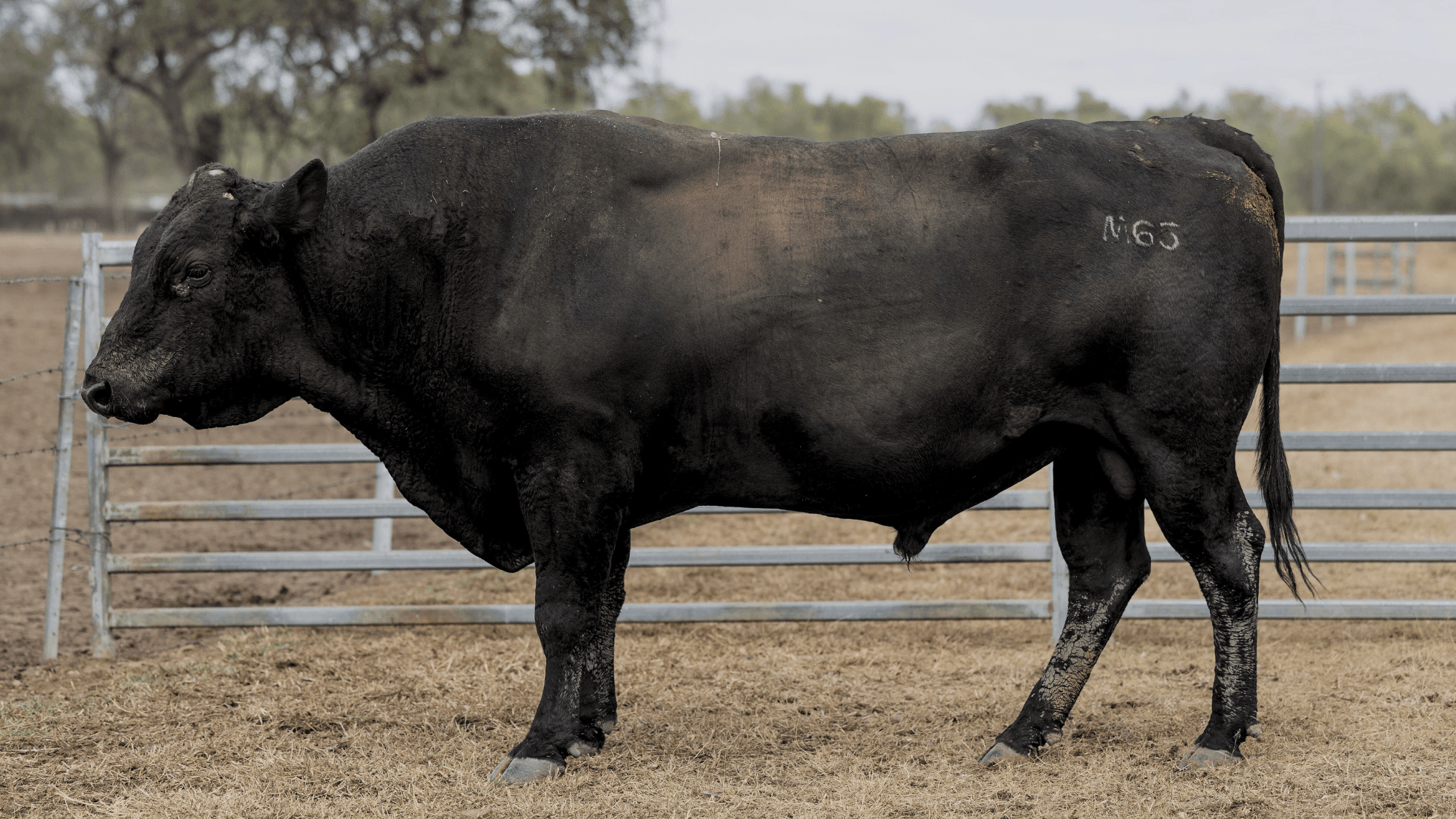
SUMO CATTLE CO MICHIFUKU M65
SMOFM0065
S:SMOFG0003D:CCOFD0270
34Carcases452 kgCWT30.3%Marbling8.9DMS5.9 µmFineness1.96Mbl/age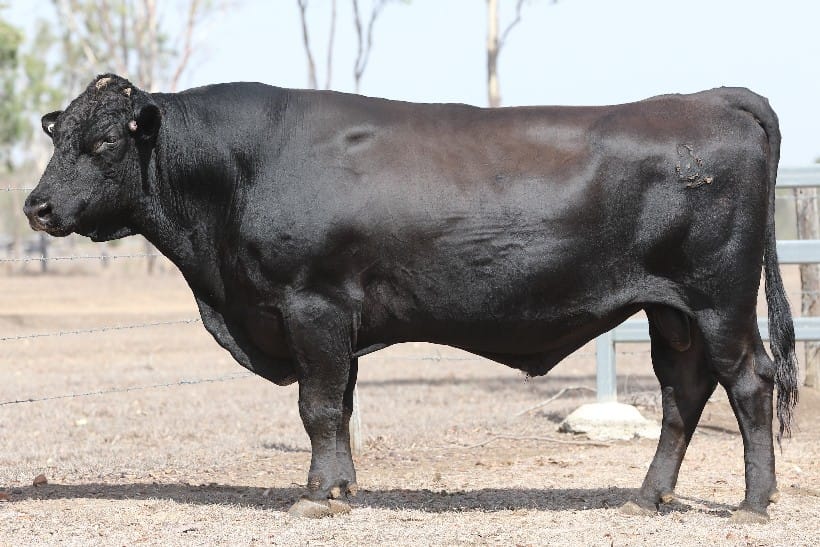
SUMO CATTLE CO HIRASHIGETAYASU E148 (AI) (ET)
SMOFE0148(FB58341)
S:IMJFAJ2351D:SUMFW1433
34Carcases451 kgCWT29.4%Marbling8.7DMS5.8 µmFineness1.88Mbl/ageSUMO CATTLE CO MICHIFUKU G002 (AI)
SMOFG0002
S:WKSFM0164D:CCOFD0220
67Carcases436 kgCWT28.8%Marbling8.5DMS5.5 µmFineness1.85Mbl/ageSUMO CATTLE CO MICHIFUKU M155
SMOFM0155
S:SMOFF0127D:SMOFF0204
34Carcases423 kgCWT28.1%Marbling8.3DMS5.9 µmFineness1.82Mbl/ageSUMO CATTLE CO MICHIFUKU M119
SMOFM0119
S:SMOFF0127D:SMOFD0205
49Carcases419 kgCWT27.9%Marbling8.2DMS5.7 µmFineness1.80Mbl/ageSUMO CATTLE CO ITOSHIGENAMI D062 (AI) (ET)
SMOFD0062
S:IMUFQTF148D:SUMFW1525
35Carcases407 kgCWT27.3%Marbling8.1DMS6.0 µmFineness1.78Mbl/ageSUMO CATTLE CO HIRASHIGETAYASU M131
SMOFM0131
S:SMOFD0201D:SMOFD0047
31Carcases422 kgCWT27.1%Marbling8.0DMS6.0 µmFineness1.77Mbl/ageSUMO CATTLE CO ITOSHIGENAMI M115
SMOFM0115
S:SMOFC0158D:SMOFE0139
34Carcases427 kgCWT26.9%Marbling7.9DMS5.0 µmFineness1.77Mbl/ageSUMO CATTLE CO MICHIFUKU M41
SMOFM0041
S:SMOFF0154D:CCOFG0013
44Carcases426 kgCWT26.5%Marbling7.8DMS5.6 µmFineness1.75Mbl/ageSUMO CATTLE CO ITOSHIGENAMI D114 (AI)
SMOFD0114
S:IMUFQTF148D:SUMFW1625
34Carcases422 kgCWT22.3%Marbling6.6DMS5.0 µmFineness1.43Mbl/age
Understanding this data
What is carcase data and why does it matter?
Carcase data is what a carcase actually measured at the abattoir: its weight, marbling, eye muscle area and marble fineness. It matters because it is a result rather than a prediction. Breeding values estimate what an animal should produce; carcase data records what its progeny did produce on the rail.
Why is the carcase count lower than the sire's progeny count on the AWA database?
Because only some progeny end up with carcase results. Many are kept as breeders or sold as bulls and never go to a feedlot, and not every animal that is finished returns carcase data. The figures here count only the progeny Marathon Wagyu has abattoir results for, so they are always lower than a sire's total AWA progeny count and the two are not directly comparable.
Are all of these sires owned by Marathon Wagyu?
No. Many are external sires used through artificial insemination or embryo transfer, from studs including SUMO Cattle Co, Statkar Farms, Trent Bridge and Codenwarra. What belongs to Marathon Wagyu is the progeny and the carcase results: these are Marathon cattle, finished and measured, whoever the sire belongs to. Where semen is available through Marathon it is marked on the sire, and the averages here describe the sires in this data rather than a herd Marathon owns.
What is DMS, and how is it different from marble score?
DMS is the digital marbling score taken from an MIJ camera image of the cut surface. AUS marble score is a visual grade from 2 to 9 assigned by a grader, while DMS and marbling percentage are measured from the image itself, so they resolve differences that a visual score rounds away.
What does marble fineness mean?
Marble fineness describes how finely the intramuscular fat is distributed rather than how much of it there is. A higher figure means finer marbling. Across Marathon Wagyu progeny it correlates positively with marbling percentage and negatively with carcase weight and eye muscle area, which is the usual trade-off between marbling and growth.
How many progeny does a sire need before the averages mean anything?
Ten or more carcases is a reasonably reliable sample. Below five, a single exceptional or poor carcase moves the average a long way, which is why every sire here carries a colour-coded carcase count: green from ten, amber from five, red below five.
What is marbling for age?
Marbling for age is the MIJ digital marbling percentage divided by half the kill age in months. A carcase at 30% and 30 months scores 2.0, and one at 45% and 30 months scores 3.0. Marbling keeps building for as long as an animal is fed, so a raw percentage favours the steer killed later; dividing by age puts steers killed at 28 months and 36 months on the same footing. It is calculated by Marathon Wagyu from measured carcase results and is not an AWA breeding value, index or percentile.